Oil Prices, the Fed, and Bitcoin: Crisis in the Strait of Hormuz
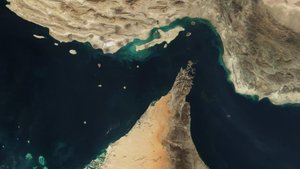
In the south of Iran, there is a must-pass for crude oil exports - the Strait of Hormuz, known as the "World's Oil Valve". It is the only and narrowest sea channel connecting the Persian Gulf and the Indian Ocean. The narrowest point is about 33 kilometers. It is an easy-to-defend but difficult-to-attack terrain. Since the tensions between Iran and the United States spread, the Strait of Hormuz has been regarded by Iran as its last trump card. After the air strike, the Iranian Revolutionary Guard announced on March 2 that it would block the Strait of Hormuz. As soon as this news came out, Brent crude oil immediately soared to US$82 per barrel, an increase of more than 13%. The share prices of the domestic "three barrels of oil" (PetroChina, Sinopec, and CNOOC) have reached their daily limit, and the share price of PetroChina has reached a new high in the past 17 years. This is the first time in history that the Strait of Hormuz has been closed.The warehouse reserves of oil-producing countries in the Middle East are only enough to last for 25 days. After 25 days, if there is no place to store the oil, they will be forced to stop production. The global energy crisis caused by this situation has a disastrous outcome. But this is not the first time that the Strait of Hormuz has become a tool for political gaming. On many occasions in the past, it has been a threat method for Iran to deal with chaotic situations. Although it has never been officially closed, each threat has caused a shock to the international oil market.The most recent time was Israel's bombing of Iran in June 2025. At that time, the freight rates for oil tankers passing through the Strait of Hormuz route had doubled. At a time when global financial markets are facing new uncertainties, this situation, at a further level, has a significant impact on Bitcoin’s liquidity and wider risk assets, and is a severe test for the cryptocurrency market.The current volatility in oil prices is an aspect that market analysts are paying close attention to. It will have an impact on inflation expectations and the Federal Reserve's policy decisions, and may trigger a complex chain reaction, thereby affecting the valuation of digital assets. As one of the most important maritime chokepoints in the world, oil from countries such as Iran, Kuwait, Saudi Arabia, Qatar and the United Arab Emirates is transported to all parts of the world through the Strait of Hormuz every day. The oil transportation volume in the Strait of Hormuz accounts for 20% of the world's total transportation volume, and 90% of the oil of Middle Eastern oil countries passes here. The development of the current political situation has intensified people's concerns about oil supply interruptions. Coupled with the 25-day reserve mentioned above, energy analysts predict that continued tensions may trigger international oil price fluctuations for at least four weeks. Such fluctuations are crucial to Bitcoin liquidity because energy costs directly affect the inflation indicators monitored by central banks. Historically, oil price shocks have often preceded monetary policy tightening as central banks respond to inflationary pressures.Because of its dual mission, the Federal Reserve will pay special attention to price stability. Therefore, the continued rise in energy prices is an important consideration in its interest rate decisions.Bitcoin, as a high-beta liquid asset, typically responds more significantly to changes in global liquidity conditions.
News Recommendation